World Cup 2026 Stadium Capacity: A Financial Powerhouse Analysis
World Cup 2026 Stadium Capacity: A Financial Powerhouse Analysis
Back in 1930, 2021 3 2/157 when the inaugural FIFA World Cup was held in Uruguay, the concept of massive stadium infrastructure was nascent. Fast forward to 2026, and the tournament is poised to be an unprecedented financial spectacle, largely driven by the colossal capacities of its host stadiums across North America. The sheer scale of these venues is not just about accommodating more fans; it’s about maximizing revenue, amplifying sponsorship value, and creating a profound economic ripple effect for the host nations. This isn't merely about football; it's a high-stakes business operation where stadium capacity is a primary driver of economic success.
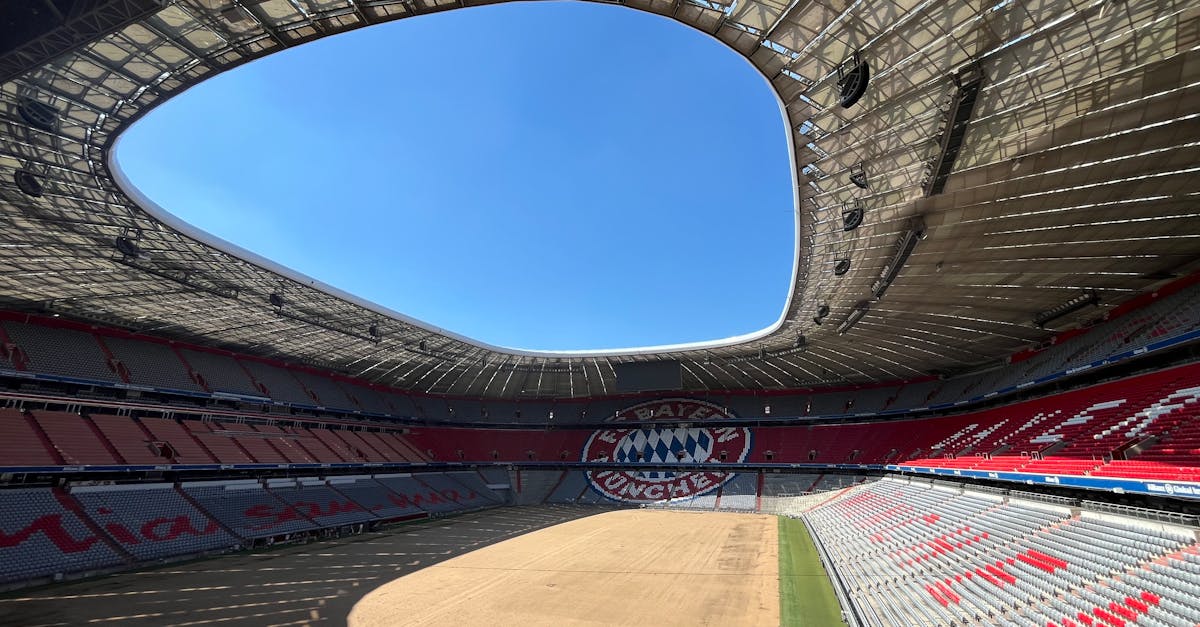
Stadium Scale and Revenue Generation: The Ultimate Moneyball
While the initial outlay for upgrading or building stadiums for the World Cup 2026 is substantial, the long-term economic implications are often underestimated. These state-of-the-art facilities, capable of hosting tens of thousands, become valuable assets for host cities long after the final whistle. They can host other major sporting events, concerts, and community gatherings, generating ongoing revenue and creating jobs. The investment in infrastructure also extends beyond the stadiums themselves, often spurring improvements in transportation, accommodation, and local services, all of which contribute to a more robust economy. Analyzing the world cup 2026 quy t nhng i no highlights the significant financial planning required, but the potential return on investment through these multipurpose venues is remarkable. Furthermore, the enhanced profile of host cities can attract future business and tourism, creating a lasting economic legacy. The choice between an oled vs qled best choice for world cup display at home pales in comparison to the economic display these stadiums provide.
- The average capacity of the selected World Cup 2026 stadiums is projected to be one of the highest in tournament history, significantly boosting potential gate receipts.
- Premium seating and hospitality areas within these mega-stadiums represent a lucrative segment, offering exclusive experiences that attract high-spending corporate clients.
- Increased stadium capacity enhances the perceived value of broadcasting rights and global sponsorship packages, making the tournament more attractive to commercial partners.
- The economic impact of world cup 2026 va anh huong den kinh te chu nha is directly proportional to the number of spectators these venues can host, driving tourism and local spending.
Key Takeaway: The substantial stadium capacities for World Cup 2026 are a direct financial advantage, enabling record-breaking ticket revenues and enhancing the commercial appeal of sponsorship and media rights deals.
🏒 Did You Know?An NFL football is not actually round — it is a prolate spheroid.
Sponsorship Value and Market Expansion
The financial allure of World Cup 2026 is amplified by its enormous potential audience, facilitated by the expansive stadium capacities. Major sponsors are willing to invest significant capital when they can guarantee visibility to hundreds of thousands of fans in person and billions more via global media. Venues capable of holding over 80,000 spectators provide an unparalleled platform for brand activation and exposure. This scale allows for more prominent in-stadium advertising, exclusive sponsor lounges, and integrated marketing campaigns that leverage the excitement of the event. The ability to host multiple matches in these large venues also spreads this economic benefit and brand visibility across various cities, potentially broadening the tournament's market appeal and generating interest in regions that might not typically be major football hubs. The prospect of seeing the cup vang world cup 2026 gia bao nhieu is secondary to the business generated around its display.
- Global brands see World Cup 2026 stadiums as premier advertising real estate, driving substantial investment in sponsorship packages.
- The visibility offered by large crowds contributes to the overall marketing ROI for sponsors, making the tournament a highly sought-after platform.
- The expansion of the tournament across multiple host cities with large stadiums can create new market opportunities for sponsors looking to engage diverse fan bases.
- Discussions around the gia ve xem world cup 2026 are intrinsically tied to the perceived value sponsors place on accessing these large fan contingents.
Key Takeaway: World Cup 2026's large-capacity stadiums are critical for attracting top-tier global sponsors, world cup 2026 dark horses potential surprises offering unparalleled brand visibility and enhancing the commercial attractiveness of the tournament.
Infrastructure Investment and Long-Term Economic Legacy
The World Cup 2026 is set to break all records in terms of stadium capacity, with venues like the MetLife Stadium in New Jersey boasting a potential capacity exceeding 82,000. This incredible scale directly translates into astronomical revenue potential. Higher capacities mean more ticket sales, which are a fundamental revenue stream for FIFA and the local organizing committees. Beyond general admission, these larger venues allow for more premium seating options – luxury boxes, club seats, and hospitality packages – which command significantly higher prices and appeal to corporate sponsors. The value of broadcasting rights and sponsorship deals is also intrinsically linked to the potential audience reach, and larger stadiums amplify this reach considerably. Think about the immense interest in cac bang dau vong loai world cup 2026 chau a; imagine that interest multiplied by tens of thousands for the main event.
- Investments in large-capacity stadiums can yield long-term economic benefits through hosting other events and fostering local economic development.
- Upgrades to surrounding infrastructure, driven by World Cup needs, create lasting improvements for communities and attract further investment.
- The legacy of World Cup 2026 stadiums can include enhanced tourism appeal and a stronger regional economy for years to come.
- Detailed financial models for the tuyn vit nam vng loi world cup 2026 khi no can be compared to the macro-economic models for host nations, both requiring careful financial foresight.
Key Takeaway: The substantial investment in World Cup 2026 stadium infrastructure offers a significant potential for long-term economic legacy, extending beyond the tournament itself through ongoing venue utilization and broader urban development.
The Bottom Line: The colossal capacities of the stadiums selected for the FIFA World Cup 2026 are not merely architectural marvels; they are intricate financial engines. From maximizing ticket sales and premium hospitality revenue to amplifying sponsorship value and driving long-term infrastructure development, these venues are central to the tournament's economic success. The financial implications are staggering, promising an unprecedented economic impact for the host nations and setting a new benchmark for mega-event financial management.
Browse by Category
Sources & References
- The Athletic Football Analysis — theathletic.com (In-depth tactical breakdowns)
- FBref Football Statistics — fbref.com (Advanced football analytics)
- WhoScored Match Ratings — whoscored.com (Statistical player & team ratings)
Explore More Topics (15)
- Tv Picture Modes Sports Vs Cinema For World Cup Viewing
- Lich Su Doi Dau Viet Nam Vs Doi Thu
- Uploads
- Link_to_lich_su_world_cup
- Thong Tin Ve Cac San Van Dong World Cup 2026
- Hat Giong World Cup 2026
- Internal Link To Ng Dng Xem World Cup Tt Nhat
- Cac Nuoc Dong To Chuc World Cup 2026
- Events/World Cup 2026 T Chuc My Nuoc
- Best Data Plans For World Cup 2026 Streaming
- Lich Su Cac Doi Vo Dich World Cup
- Trang Xem World Cup 2026 Mien Phi
- Vong Loai World Cup 2026 Chau A Khi Nao Da
- Blog/Ung Dung Quan Ly Lich World Cup
- Tin Tuc World Cup